Member Highlight: Coordinated Care in Action
One patient’s story illustrates what’s possible when a network of care comes together to support uninsured individuals with complex health needs.
A Starting Point in Primary Care
Ms. Jones (name changed to protect patient confidentiality) works full-time but, like many, falls into the gap where employer-sponsored coverage isn’t available and private insurance remains out of reach. Her path to care began at Volunteers in Medicine, an FAFCC member clinic and safety net primary care medical home serving the working uninsured. When her provider identified the need for advanced diagnostic testing, she was referred to WeCareJax—setting in motion a critical chain of coordinated care.
A Diagnosis and an Urgent Need for Access
A biopsy soon confirmed a malignancy, and the urgency of securing access to cancer treatment became clear.
WeCareJax immediately began navigating every possible pathway to coverage and care. Applications were submitted for both Medicaid and the UF Health City Contract Card program, but unfortunately, both were denied. Despite these barriers, the team worked quickly to connect Ms. Jones with charitable partners, ensuring access to surgical oncology and the follow-up care she needed.
This level of coordination was made possible through the strong partnership between Volunteers in Medicine and WeCareJax—ensuring a seamless transition from primary care into specialty services without delay.
Support Beyond Treatment
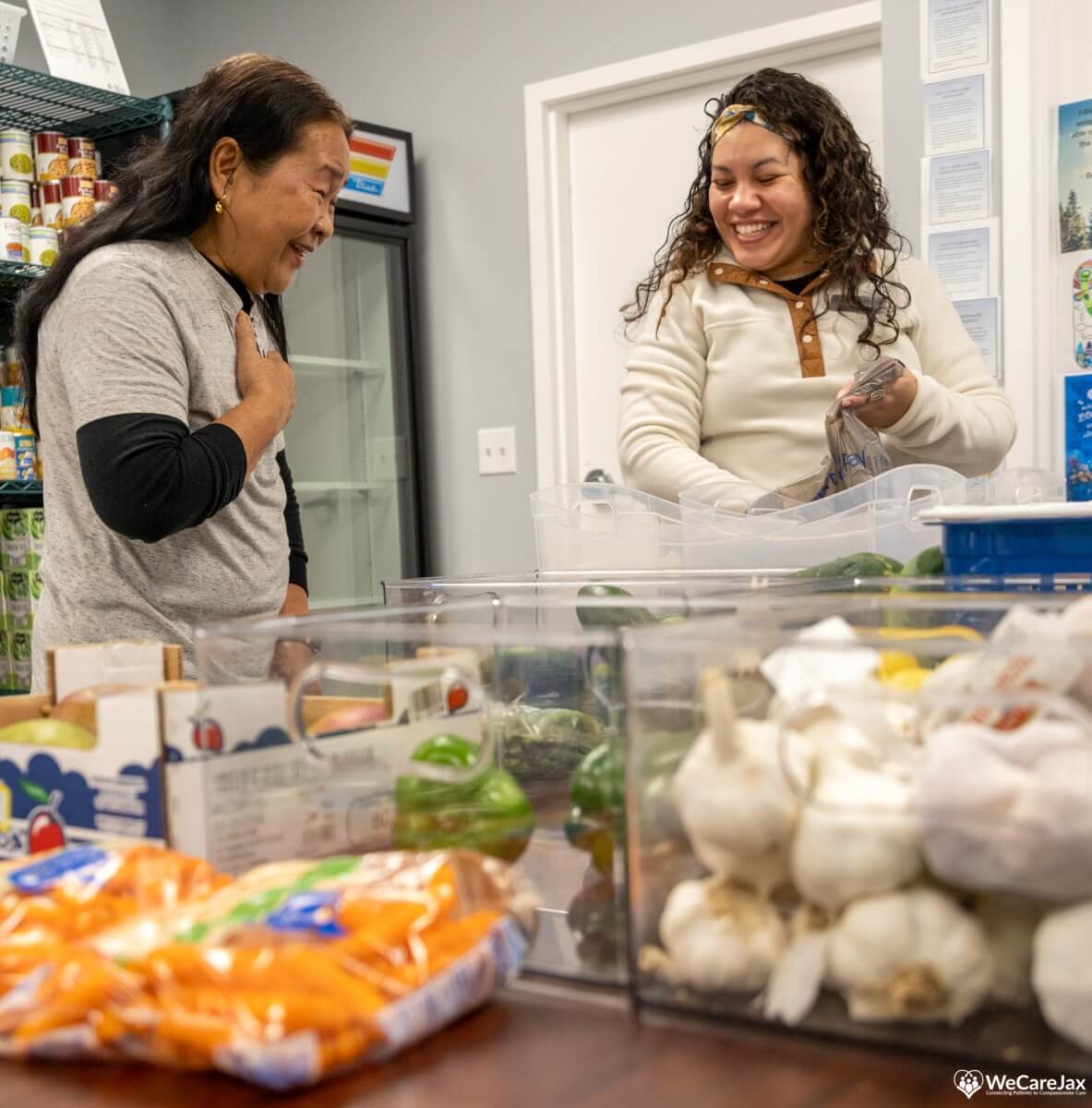 Recognizing the importance of stability during treatment and recovery, the WeCareJax team provided direct, in-home support—delivering fresh produce, pantry staples, and protein and hydration supplements to help her maintain strength through surgery and healing. This kind of wraparound care reflects a broader understanding of what patients truly need to stay engaged in treatment.
Today, Ms. Jones has transitioned into the Survivorship Program, where ongoing monitoring and support are essential. She attends twice-monthly Healthy Pantry Days, which not only provide access to nutritious food but also create consistent touchpoints with her care team.
During these visits, she checks in with her RN Case Manager and a Community Health Worker who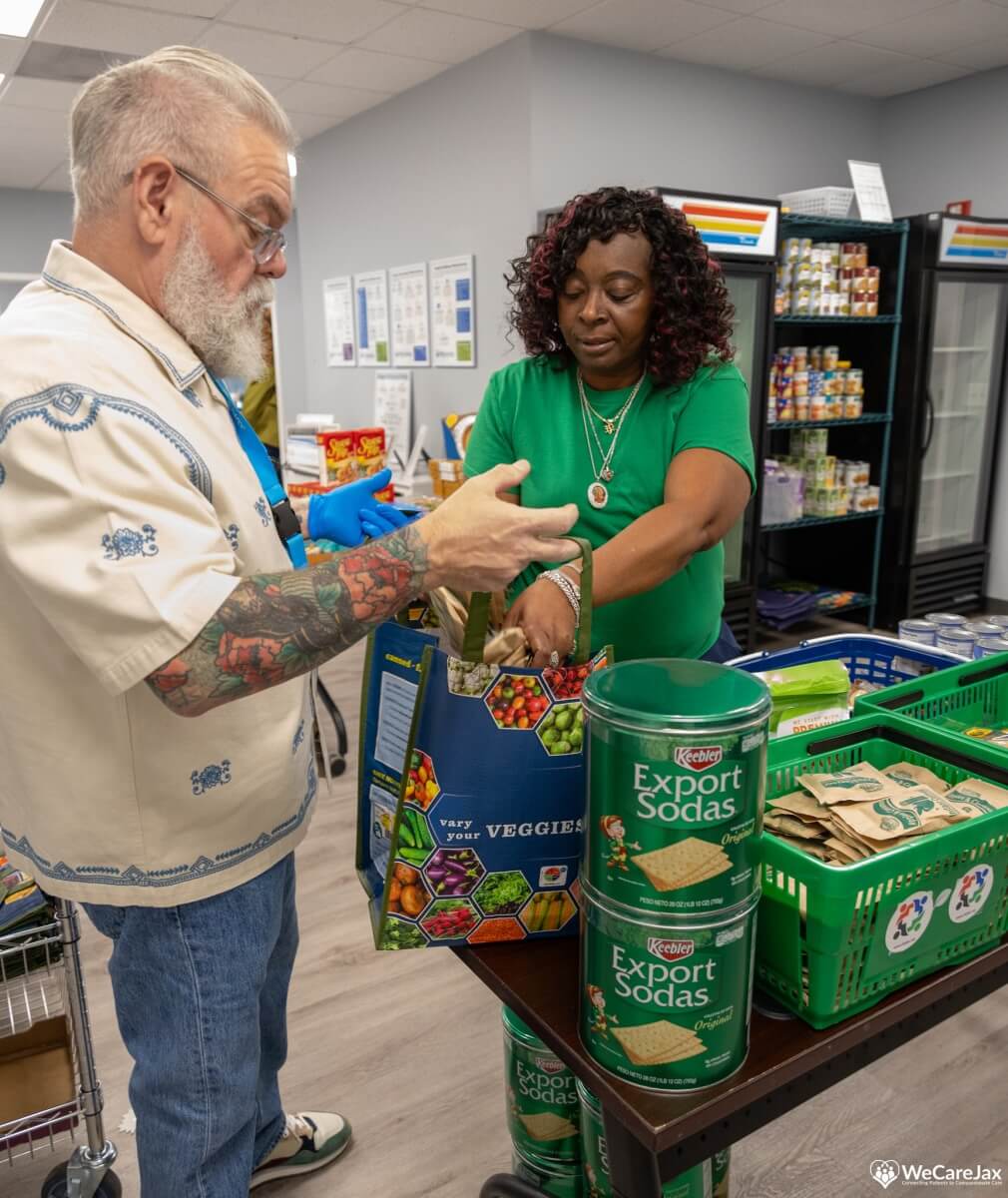 continue to guide her through the surveillance phase of her cancer journey.
This phase can last years—or even decades—depending on the type of cancer, tumor grade, and risk of recurrence. Maintaining connection to care during this time is critical, and intentional engagement helps ensure patients don’t fall through the cracks once active treatment ends.
Inspired to take an active role in her health, Ms. Jones expressed a strong desire to improve her diet and access to fresh food. In response, the team connected her with Feeding Northeast Florida, where she is now receiving support to start a vegetable garden at her home—an investment not just in nutrition, but in long-term wellness and self-sufficiency.
A Network That Makes It Possible
Her story is one of resilience, but it is also a reflection of what coordinated, community-based care can achieve. Through the partnership between Volunteers in Medicine and WeCareJax—alongside a broader network of community organizations—patients like Ms. Jones are able to move seamlessly from primary care to specialty treatment and into long-term support without navigating these challenges alone.