
Member Highlight: How One Dental Clinic Is Helping Patients Stay Out of the Hospital
When people think about emergency room diversion, they often picture primary care clinics treating illnesses before they become emergencies. But dental care plays an equally important role.
For the team at the Dental Care Access Foundation (DCAF), preventing emergency department visits has become an increasingly visible part of their work, and one that underscores the connection between oral health and overall health.
During the final months FAFCC's 2025-26 grant cycle, DCAF began tracking patients referred to the clinic after being hospitalized for severe dental infections. In just one quarter, they identified:
- 9 patients referred directly following hospitalization for serious dental infections.
- More than $6,000 in donated dental care provided through the Adult Knights Clinic.
- 22 patients who reported making a combined 45+ emergency department visits for dental swelling before finally receiving definitive dental treatment.
These numbers represent more than statistics. They tell the story of a healthcare gap that free and charitable clinics help fill every day.
Stabilization Isn't the End of the Story
One patient, in particular, reminded the DCAF team why this work matters.
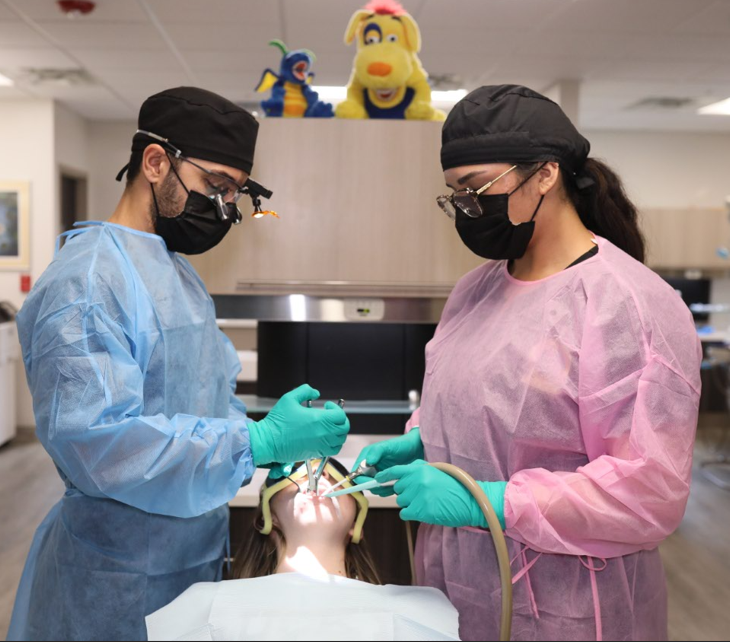
Shortly after being discharged from the hospital, he called the clinic believing he simply needed a deep cleaning. He had just spent five and a half days hospitalized with sepsis caused by a bacterial infection that originated in his mouth.
The hospital had stabilized his condition, but like many uninsured patients, he left without a dental provider or a clear treatment plan.
He was frightened, but he found his way to DCAF.
During his first phone call, he shared that a close family member had died years earlier from complications related to a dental infection. After being diagnosed with sepsis himself, he feared history might repeat itself.
Recognizing the urgency of his situation, DCAF scheduled him for an appointment just two days later.
Looking Beyond the Symptoms
When the patient arrived, he still believed he needed only a deep cleaning.
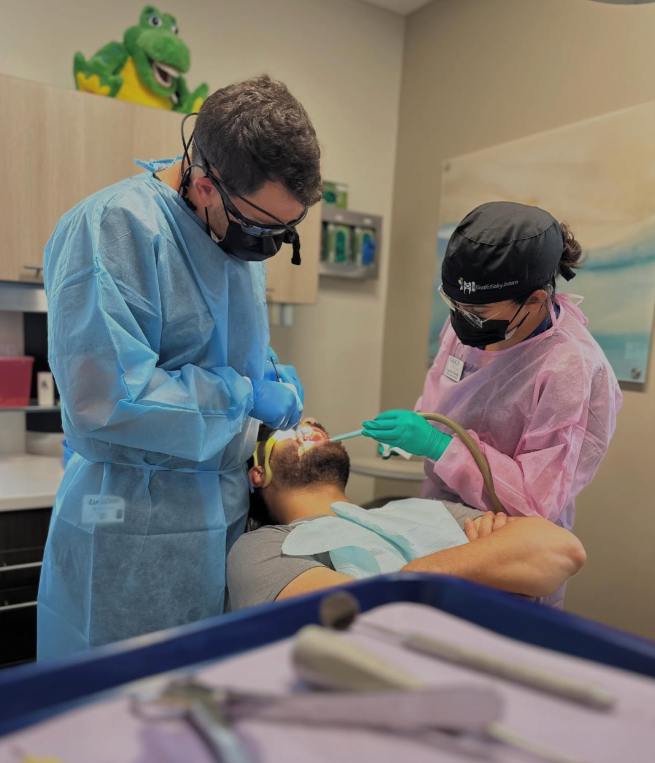
Instead, DCAF's volunteer Oral and Maxillofacial Surgeon, trained as both a physician (MD) and dentist (DDS), performed a comprehensive examination that included radiographs, panoramic imaging, and CBCT imaging.
The findings told a much different story.
The infection had extended into the patient's sinus cavity, and several teeth were beyond saving. Rather than a routine cleaning, he required immediate surgical intervention to eliminate the source of the infection.
The infected teeth were extracted during that same visit.
In the weeks that followed, his recovery accelerated. His bloodwork returned to normal, his strength improved, and he was able to resume his daily life.
Perhaps most telling, when his wife fractured a tooth just weeks later, she immediately sought care at DCAF—determined not to let a dental problem progress into the same frightening experience.
Oral Health Is Healthcare
Stories like this challenge the misconception that dental care exists separately from medical care.
Untreated dental infections don't stay confined to the mouth. They can spread, leading to emergency department visits, hospitalizations, life-threatening infections, and significant healthcare costs.
Hospitals are essential for stabilizing patients experiencing these medical emergencies, but definitive treatment often depends on addressing the dental source of the infection. For uninsured patients with nowhere else to turn, organizations like DCAF provide that critical next step.
Building Capacity That Changes Lives
This work was made possible, in part, through FAFCC's State Funds Grant Program, which supports Florida's free and charitable clinics in building the capacity needed to care for uninsured patients. For DCAF, that investment in organizational capacity, clinical leadership, and infrastructure make it possible for the clinic to respond when patients needed them most.
For one patient recovering from sepsis, that meant finding definitive treatment instead of another trip to the emergency department.
For the broader community, it means reducing avoidable hospital utilization while restoring health, dignity, and hope.
At FAFCC, we know these stories are happening across our network every day. They are powerful reminders that investing in free and charitable clinics isn't just about expanding access to care. It's about preventing medical crises before they happen, reducing unnecessary emergency department utilization, and improving health outcomes for Florida's uninsured neighbors.